


Preparedness
Preparedness: How to prepare for unexpected situations
Learn how preparedness keeps you steady when life gets unpredictable. Tips on building an emergency kit, and how to prepare to stay safe.
How to stay ready if life takes a turn
Preparedness for the unexpected
Preparedness helps us stay steady when life throws something unexpected our way. A sudden power cut, rough weather, or a long wait for help can unsettle anyone, and having a few things sorted in advance makes those situations far easier to handle.
Preparedness starts with small steps
Most of us don’t want to spend our days worrying about what might happen. The good news is that preparedness is simple. A few items sorted in advance and a plan you understand can keep you calm when everything else is uncertain.
If you’re wondering how can we prepare without turning daily life into a survival project, here’s what you can do.
Build an emergency kit you’ll actually use
Your emergency kit should fit your home and your habits. No need for fancy gadgets, just practical items such as:
- Water and food with a long shelf life
- Torches with spare batteries
- A power bank
- First-aid basics
- Important documents stored safely
Fuel
- Approved fireplace
- Gas and paraffin stove made for indoor use
- Emergency power, such as a generator or battery with a 230 volt outlet
Food and beverages
- 20 litres water per person
- Two packs of crispbread per person
- Three boxes of dinner canning or pouches of dried food per person
- Three boxes of spread (pålegg) with long durability
- Some bags of dried fruit, nuts, crackers and chocolate
 Check out our bundle packs
Hygiene
- Wipes, hand sanitizer and disposable gloves
- Extra toilet paper and trash bags
- Any diapers, menstrual products, or sanitary products
Payment methods
- Have different payment cards
- Have some extra cash, preferably in different and smaller denominations
- Have accounts in several banks
Keep an emergency pack ready to grab
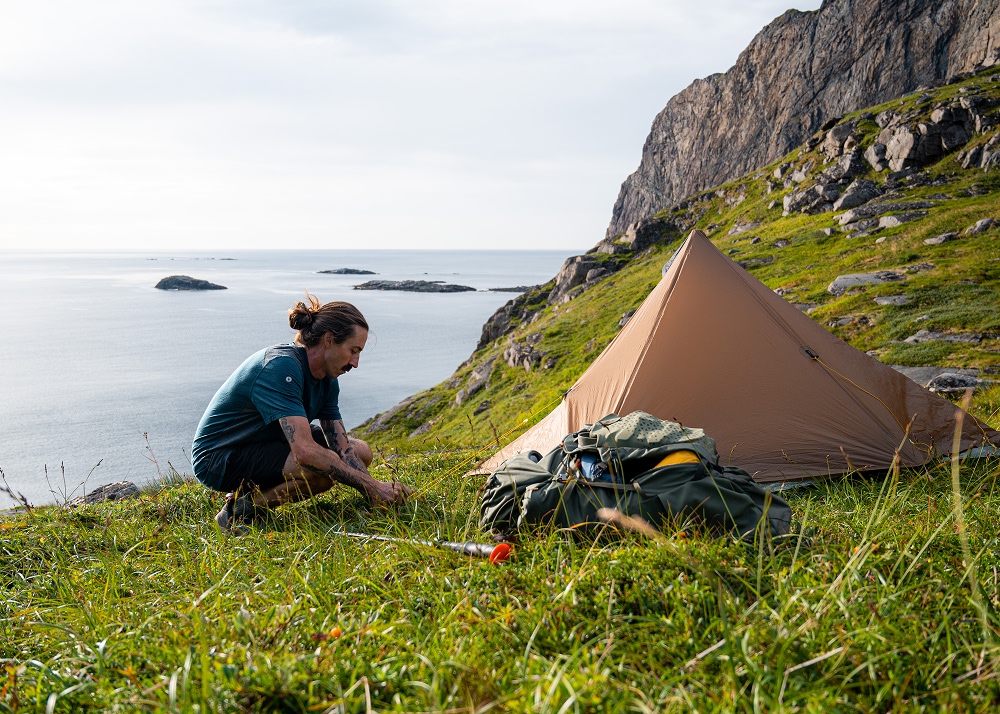
Life has a way of giving us very little warning. An emergency pack helps you move quickly if you need to leave the house. A decent pack usually includes:
- Warm, sturdy clothing
- Snacks or compact meals
- A small radio or another way to get updates
- Personal medication
- A few comfort items if you have children
The aim is to save time and keep focus on what’s necessary to do next.
How to prepare to stay put
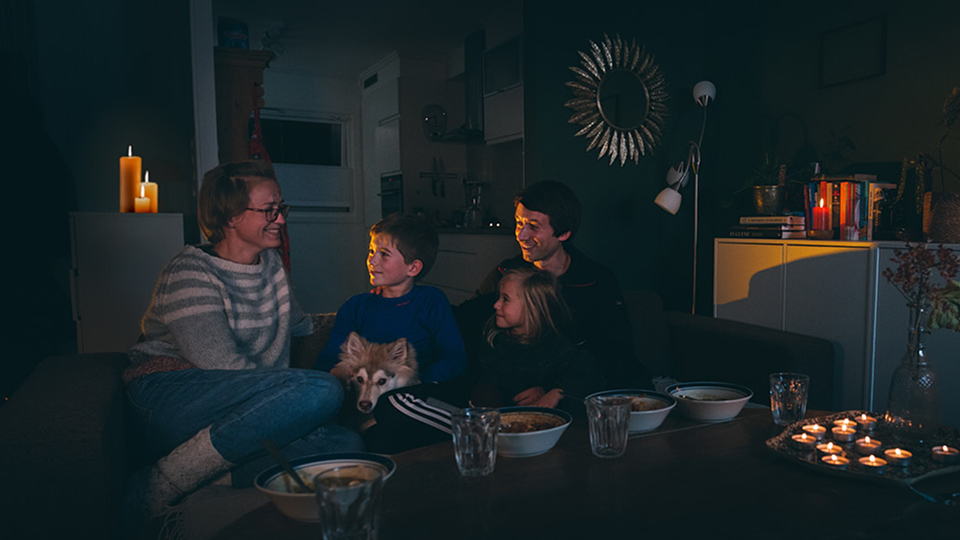
In most cases the safest thing to do is stay where you are. Think about what you’d need if power, heat, or water stopped working for a bit. Extra blankets, alternative ways to cook, and enough food to stay relaxed can make a world of difference. Preparedness at home means you can wait things out without unnecessary stress.
How to prepare to move quickly
There may be moments when leaving is the smarter choice. For instance, flooding nearby, severe weather heading your way, or simply feeling unsafe. Keep your car fuelled, know a few possible routes, and talk with your household about where to meet if you get separated. These conversations may feel strange, but they make tough moments manageable.
Preparedness
Emergency food supply essentials for families
Learn how much food and water you need in an emergency, why freeze-dried REAL Meals works well for families and households in general.