


Backpacking & Hiking Food
Backpacking Food: Lightweight Meals for Hiking and the Trail
The best backpacking food is light, compact and easy to prepare after a long day on the trail. Freeze-dried meals remove the water to reduce weight, then come back to life with boiling water in the pouch giving you a warm, energy-dense meal with no cooking and no cleanup.
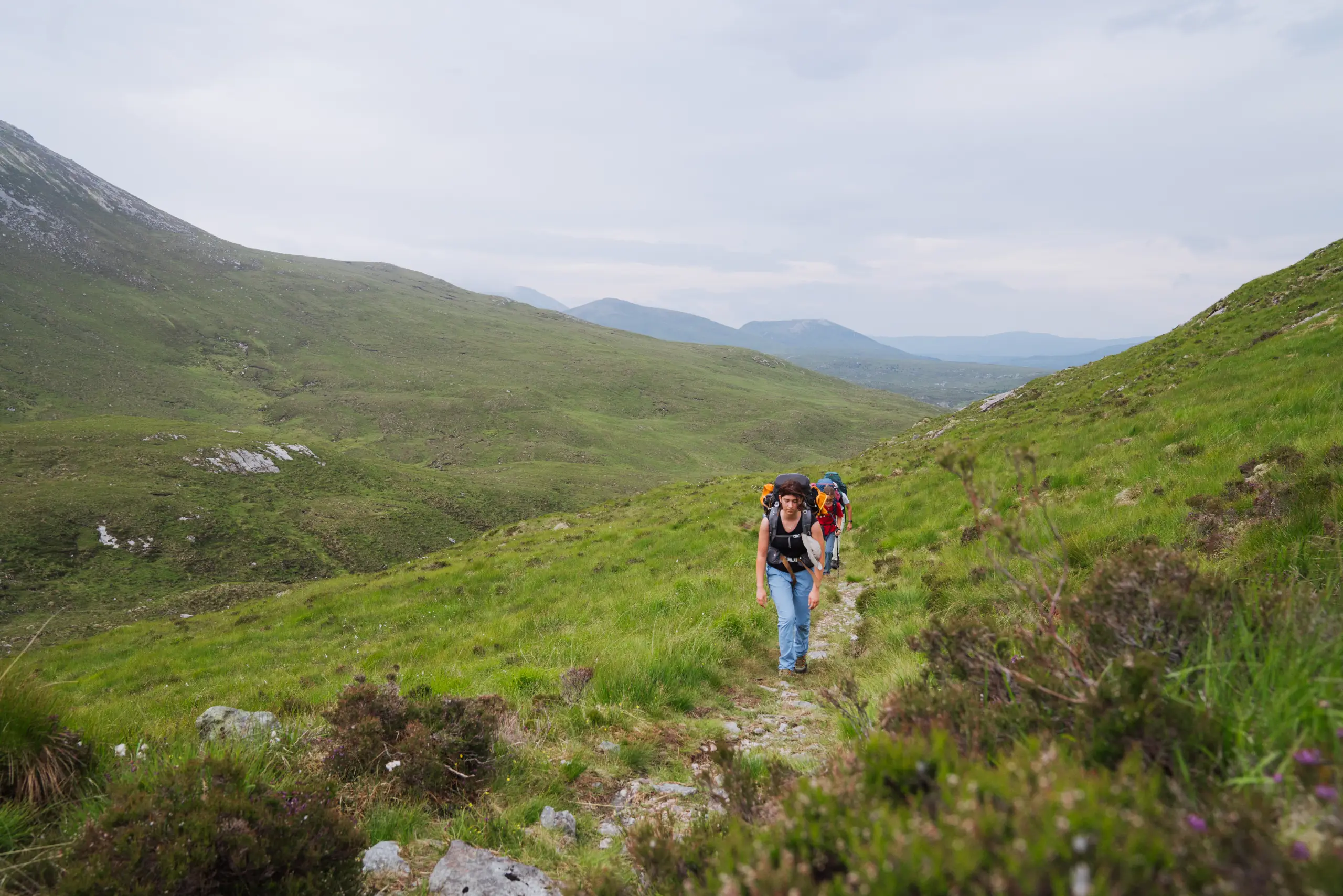
The best backpacking food is light to carry, simple to prepare, and gives enough energy for a long day on the trail. When everything goes on your back, weight and effort decide what is worth bringing. We have made lightweight freeze-dried meals in Tromsø since 1989, tested in the field and on expeditions. Here we explain what makes good backpacking food, how much to bring, and why a no-cook freeze-dried meal is hard to beat for hiking and the trail.
What makes good backpacking food?
Four things matter when food has to travel in a pack: it should be light, it should pack down small, it should give real energy for the effort, and it should be simple to prepare at the end of a long day. Fresh ingredients fail on most of these. They are heavy, they spoil, and they need cooking. Food built for the trail solves all four at once, which is why experienced hikers lean on it.
Lightweight and no-cook: why freeze-dried meals work.
Freeze-dried meals are about as light as a full meal gets, because the water is removed and added back when needed. There is no cooking and no cleanup, hot water straight in the pouch, a few minutes, and a full dinner is ready. Freeze-dried meals are the easiest way to pack days of food without extra weight. That’s why lightweight and ultralight hikers rely on them. For how the method works, see freeze-dried food.
Food for a day on the trail.
A simple plan for a full day of hiking:
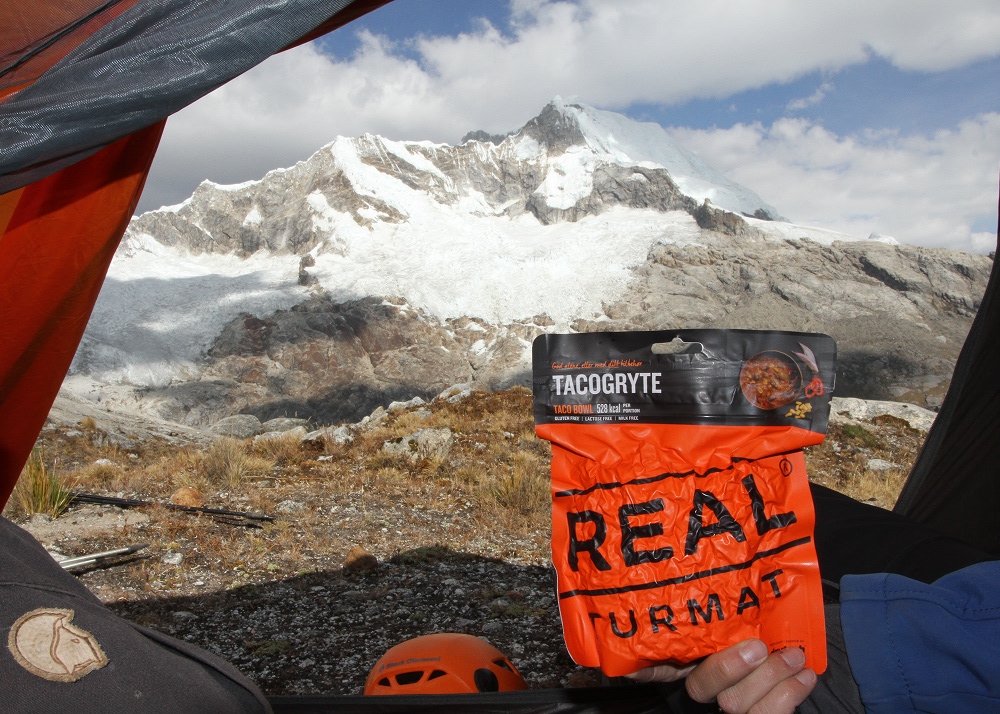
Dinner — a hot freeze-dried meal at camp, ready with only boiling water.
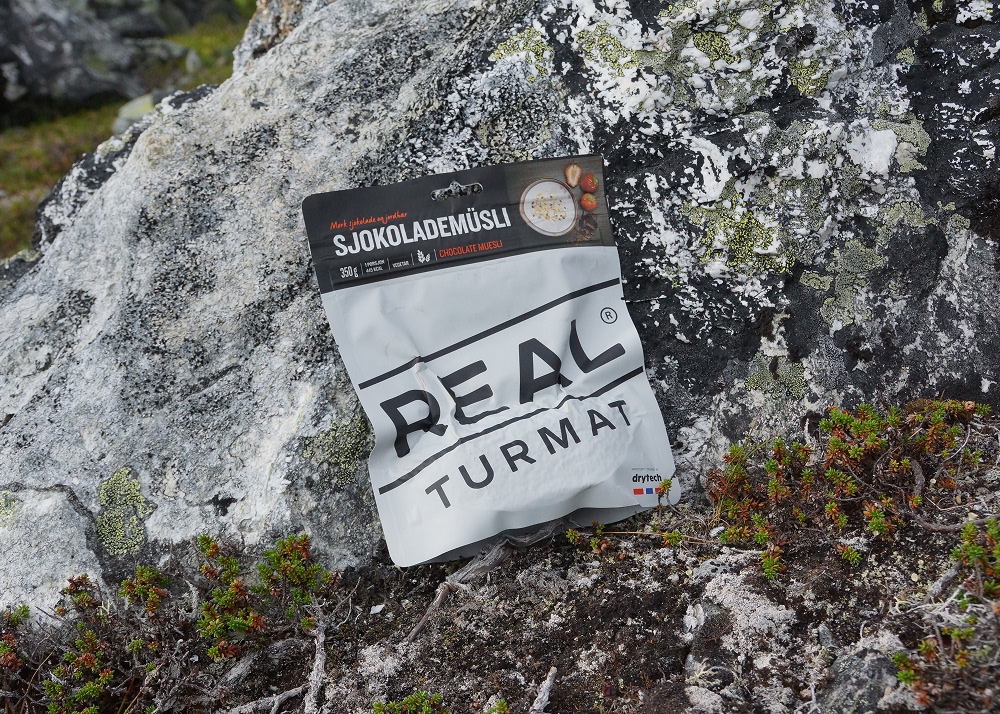
Breakfast — a freeze-dried meal made to also rehydrate in cold water.
On the go — trail snacks that need no preparation: nuts, dried fruit, chocolate, crispbread.
The dinner is where weight and effort matter most, and where a freeze-dried meal earns its place: a full, warm meal at the end of the day with nothing to cook and nothing to wash.
How much food and how many calories.
Hard days outdoors burn far more energy than a day at home, so trail food needs to be energy-dense, not just light. Freeze-dried meals are built for this. A small, light pouch that still carries a full meal’s worth of energy. As a rough plan, count a main meal for each of breakfast and dinner, plus enough snacks to graze on through the day, and scale up for longer or harder routes.
Backpacking, camping and expeditions.
The same food works wherever weight and simplicity matter. For camping where cooking from scratch is not wanted, no-cook freeze-dried meals do the job just as well. A ready meal with no fridge and no fire needed. For longer or harder trips, it is the same food we build into arctic field rations for expeditions and the military. And for a storage at home, the same meals form the base of an emergency food supply.
REAL Turmat for the trail.
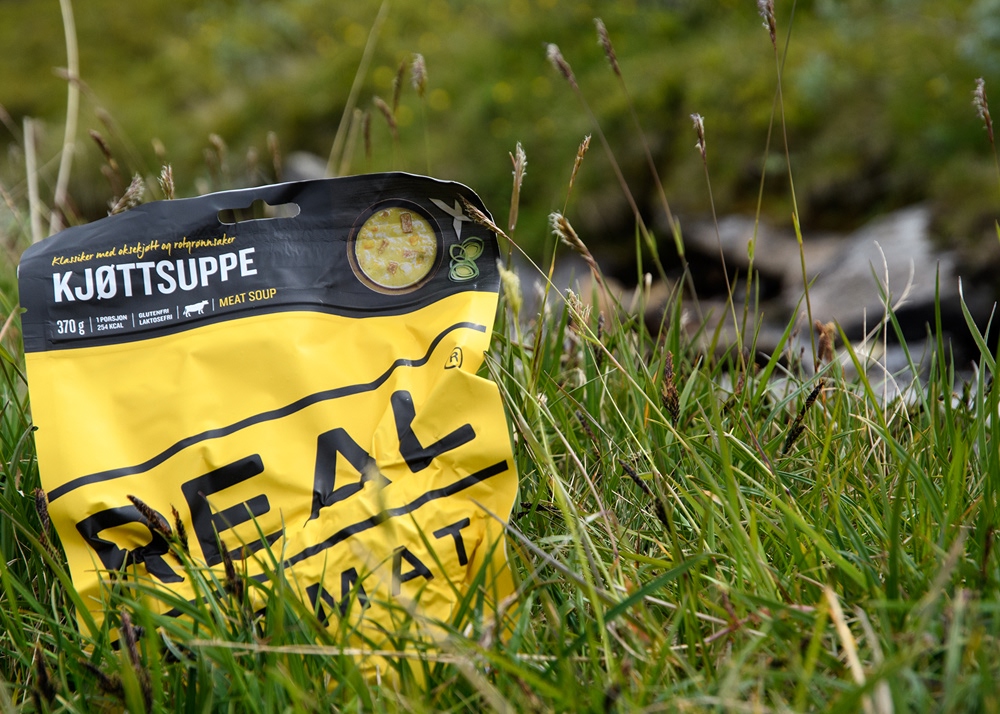
REAL Turmat meals are made for exactly this: freeze-dried, around 130 grams, ready in 8–10 minutes with boiling water, straight in the pouch. The same food trusted on expeditions and in the field, made in Tromsø. See the full range in the shop or read more about how and where we make it.
Frequently asked questions.
What food should I bring backpacking?
Light, energy-dense food that needs little or no preparation: a hot freeze-dried meal for dinner, something quick for breakfast, and no-cook snacks like nuts, dried fruit, and crispbread for the day.
What is the best lightweight backpacking food?
Freeze-dried meals, because the water is removed to cut the weight and they are ready with just boiling water. A full meal at a fraction of the carried weight.
Do you need to cook backpacking meals?
Not freeze-dried ones. Add boiling water to the pouch, wait a few minutes, and eat straight from it. No pans, no cleanup.
How much food do I need per day?
As a rough plan, a main meal for breakfast and dinner plus snacks through the day, scaled up for longer or harder routes, since the trail burns more energy than a normal day.