

What we measure ourselves on.
The annual Communication on Progress to the UN Global Compact is an important tool for documenting and communicating our sustainability work.
Through this reporting, Drytech is able to:
- Measure progress against our own sustainability goals.
- Document compliance with the UN’s Ten Principles.
- Identify areas for improvement.
- Create transparency and trust among customers, employees, and partners.
- Demonstrate how sustainability is integrated into the company’s strategy and operations.
- Nurture strong partnerships — close, long-term relationships.
- Introduce double materiality analysis — to understand both how we affect the world and how it affects us.
The Communication on Progress also helps structure our sustainability work and ensures that we set concrete goals, follow up on results, and work systematically with continuous improvement.
Our approach.
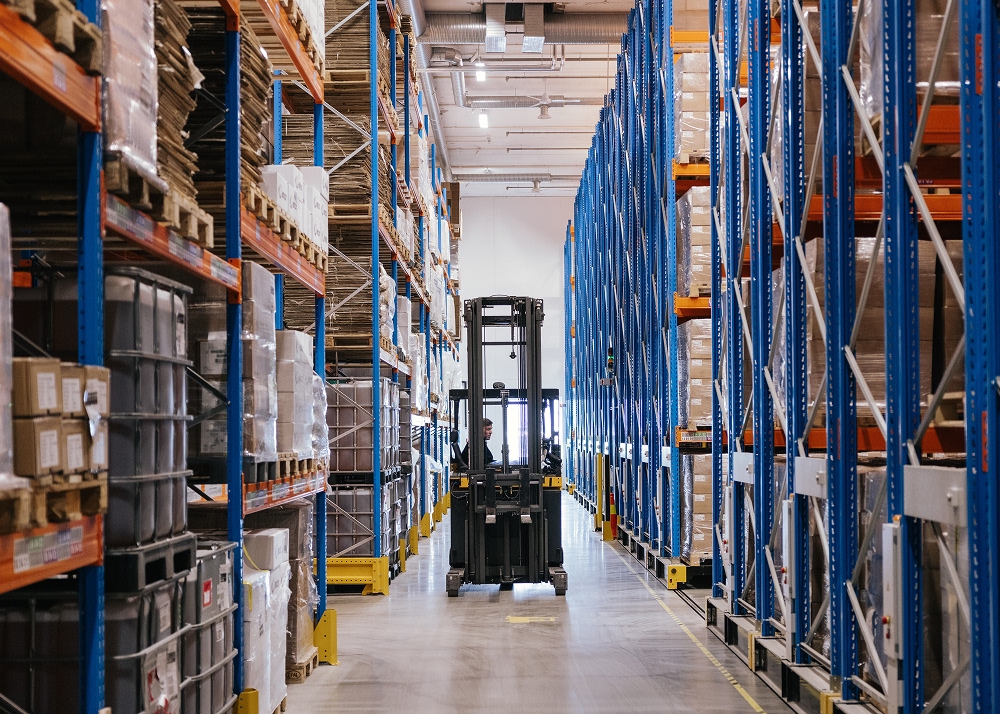
We’re committed to responsible business practice that promotes human rights, decent working conditions, environmental responsibility, and solid supplier relationships across the whole value chain — from our own operations to our partners.
We follow recognised frameworks: the UN Guiding Principles on Business and Human Rights, the ILO core conventions, and the OECD Guidelines for Multinational Enterprises. Fair pay, safe conditions, and the prevention of forced and child labour are central requirements for everyone we work with.
Environmental responsibility guides our sourcing: we prefer to buy from partners that are, or are becoming, environmentally certified. We build relationships on long-term collaboration and mutual accountability, and work closely with partners on risks tied to food safety, quality, delivery, ethics, and the environment. To sharpen our insight, we apply a double-materiality perspective. From 2025 we’re adopting the INANKO Procurement Platform for greater transparency and oversight across the chain.
Where we stand.
2030 target: Carry out annual due diligence assessments based on industry.
In recent years, we have chosen to prioritize our largest suppliers.
Due diligence assessment coverage in 2024: 78%.
Due diligence assessment coverage in 2025: 83%.
Drytech AS will prioritize suppliers that actively work with environmental improvements, circular solutions, reductions in greenhouse gas emissions, and compliance with requirements under PPWR, PFAS regulations, and other relevant EU/EEA legislation. The target of at least 80% environmentally certified supplier coverage will help strengthen sustainability throughout the value chain and ensure a robust and future-oriented supply chain.
Key steps moving forward.
Does REAL Turmat set requirements for its suppliers?
Yes. We follow the UN Guiding Principles, the ILO core conventions, and the OECD Guidelines, and require respect for human rights, fair pay, and safe working conditions.
What’s the target for certified sourcing?
80% of sourcing should come from environmentally certified suppliers, or suppliers on the path to certification, by 2030.
Has Drytech / REAL Turmat established a Supplier Code of Conduct?
Yes. Drytech has established a Supplier Code of Conduct that describes our expectations of suppliers and business partners. The guidelines cover areas such as human rights, working conditions, health and safety, environmental considerations, anti-corruption, and compliance with applicable laws and regulations.
Through dialogue, follow-up, and long-term collaboration, we aim to contribute to continuous improvement and a more sustainable supply chain.
Internal links.
Lates actions.
-
 Sustainable Supply Chain
From wood to recycled plastic
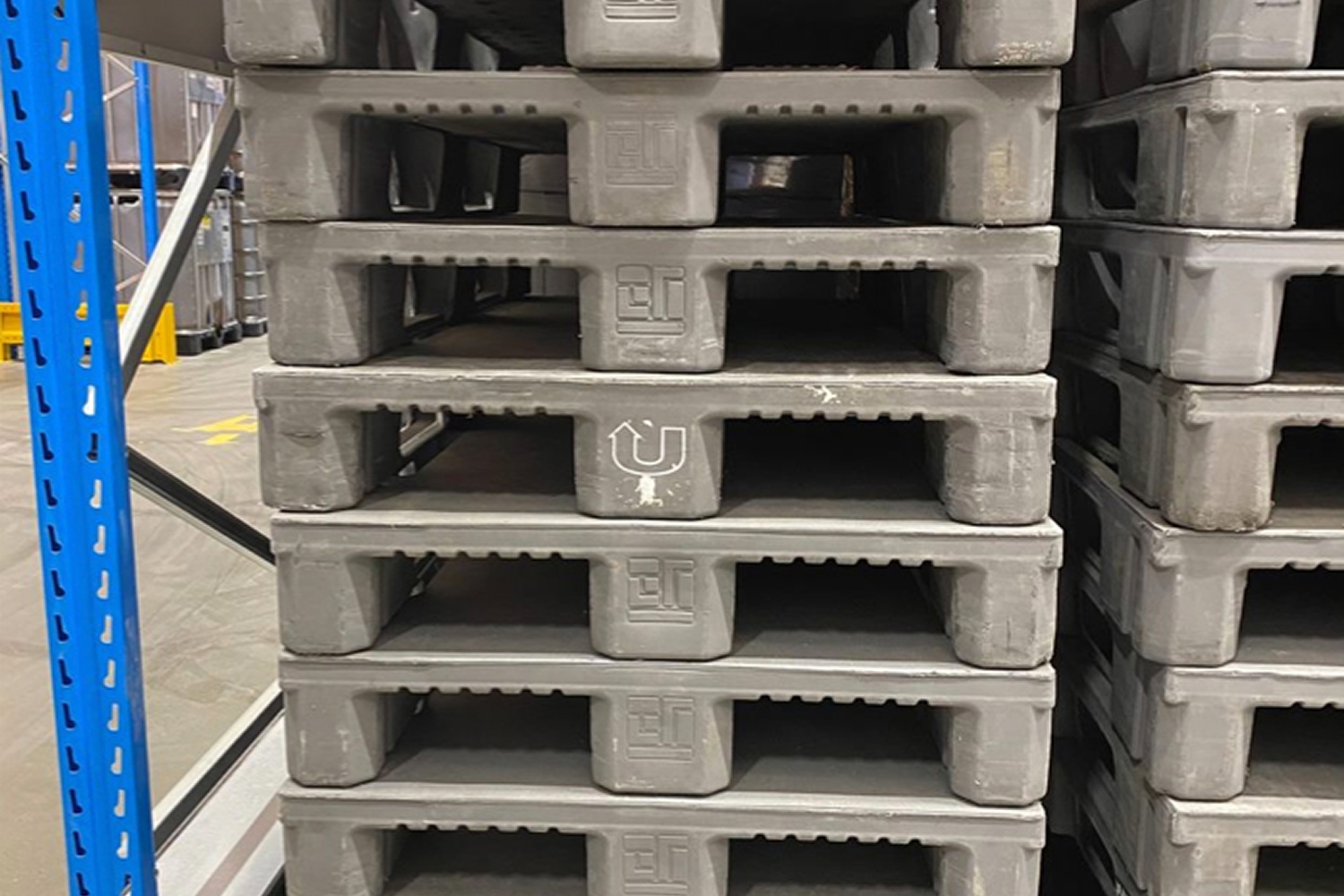
Read more: From wood to recycled plasticThrough our partnership with the Norsk Lastebærer Pool, we use recyclable and reusable plastic pallets to improve the sustainability of our incoming deliveries. Looking ahead, we plan to expand this solution to outgoing goods, further enhancing supply chain efficiency and reducing environmental impact.
-
 Sustainable Supply Chain
Our commitment to the UN Global Compact
Read more: Our commitment to the UN Global CompactWe have been a proud member of the UN Global Compact since 2012, aligning our operations with global principles on human rights, labor, environment, and anti-corruption.