

What we measure ourselves on.
To reach the 2030 target, we work on:
- Consolidation — 90% of our suppliers are Scandinavian, which makes them local to us.
- Route optimisation — transport management systems (TMS) that plan the most efficient routes and cut fuel.
- Low-carbon solutions — together with our logistics partner, plus EVs for internal transport.
- Geographic proximity — suppliers and partners close to home.
Our approach.
Consolidation. We coordinate deliveries to reduce the number of individual shipments, cut transport volume, and fill loads better — a smaller footprint per pouch.
Route optimisation. With route optimisation and transport planning, we shorten travel distances, cut fuel, and raise overall logistics efficiency.
Low-carbon transport. Together with our logistics partners, we prioritise low-emission options for both inbound and outbound goods.
Eco-friendly internal transport. We support the shift to electric vehicles, local service providers, and shared-mobility solutions where possible.
Geographic proximity. The aim is for 80% of sourcing to come from suppliers within a defined, short-distance region. Lower emissions and stronger local communities.
Where we stand.
2030 target: Reduce transport-related emissions by choosing electric solutions.
Progress so far: We are continuously increasing the share of electric heavy goods vehicles.
- Consolidation: We have established a warehouse with a logistics partner in southern Sweden. Containers are transported by train from Narvik to our hub in Strömstad.
- Together with our key customers, we are establishing central warehouses.
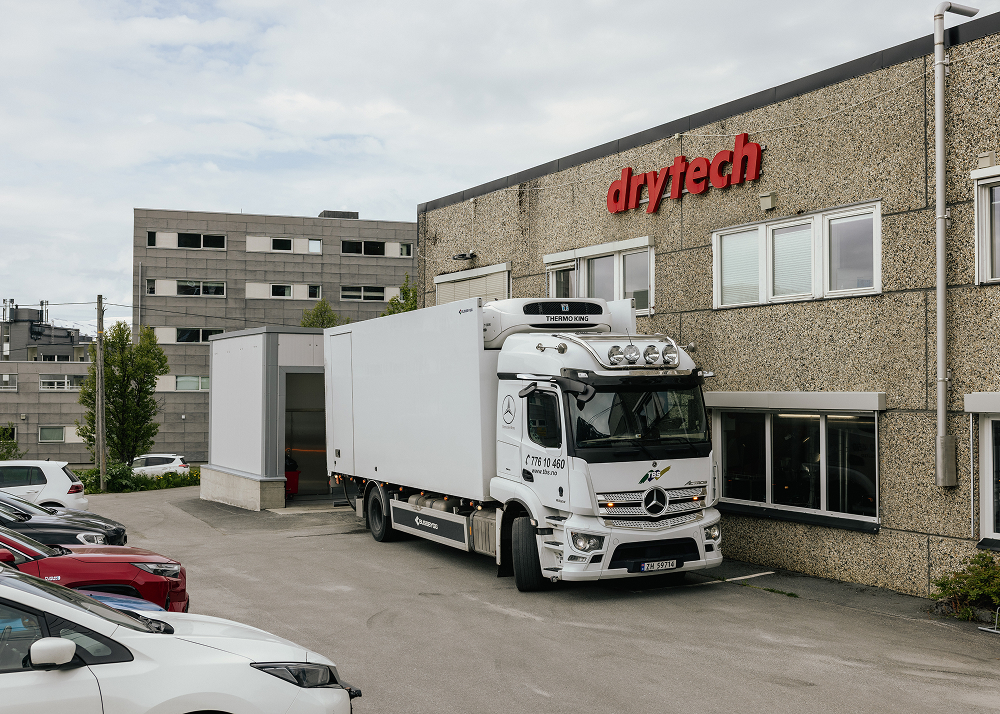
- Route optimization: Through our long-standing collaboration with DSV, we have gained better insight into our transport use and increased the share of transport carried out with electric and biogas-powered heavy goods vehicles, as well as by rail. This has helped reduce emissions related to the transport of goods to and from the factory.
Increasing the share of electric heavy goods vehicles:
- In 2024, 12% of all freight not owned by the company was electric.
- In 2025, this share increased to 42%.
- Proximity: Around 90% of our suppliers are located in the Nordic region.
We now have documentation and overview of approximately 90% of the transport use related to inbound and outbound goods flows. This provides a strong foundation for further improvement work and follow-up of our climate targets. In the 2020 base year, 100% of all freight by heavy goods vehicle and van was fossil-fuel based.
Frequently asked questions.
Where is REAL Turmat produced?
Everything is produced in Tromsø and distributed to over 25 countries across Europe.
How do you reduce transport emissions?
We move goods by rail (Narvik–Strömstad), consolidate shipments, optimise routes, and buy local. Around 90% of suppliers are Nordic.
Internal links.
Latest actions.
-
 Perfecting Transport
Packaging choices with great impact
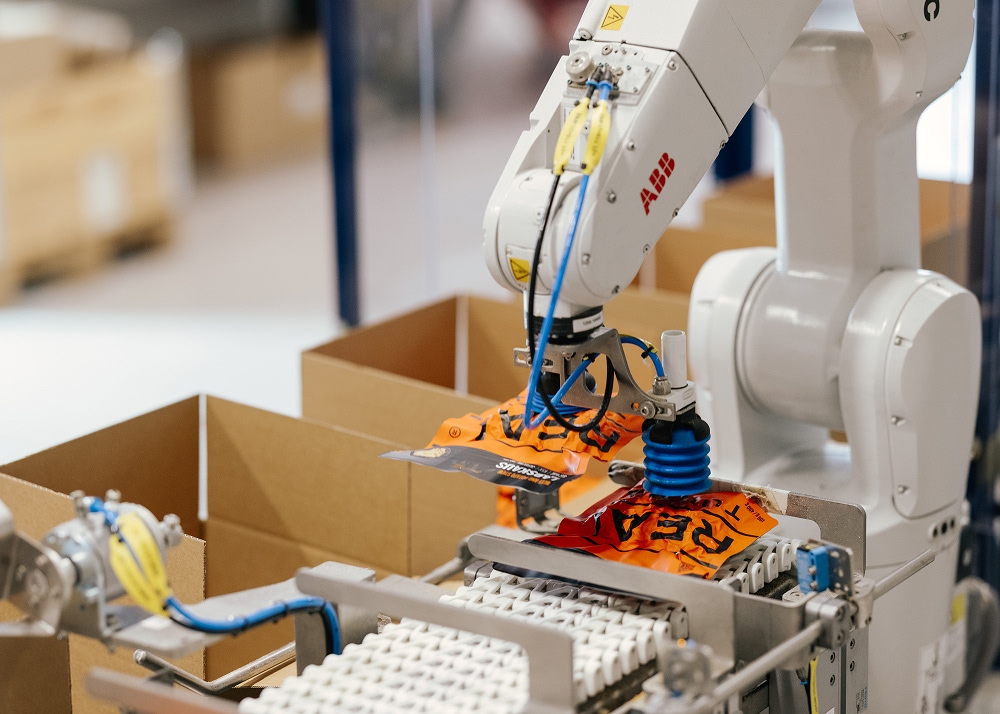
Read more: Packaging choices with great impactWe are introducing a new standardized distribution carton (D-Pak) for the REAL brand to improve logistics, reduce material waste, and cut CO2 emissions by an estimated 20%.
-
 Perfecting Transport
Enhancing logistics for greater efficiency
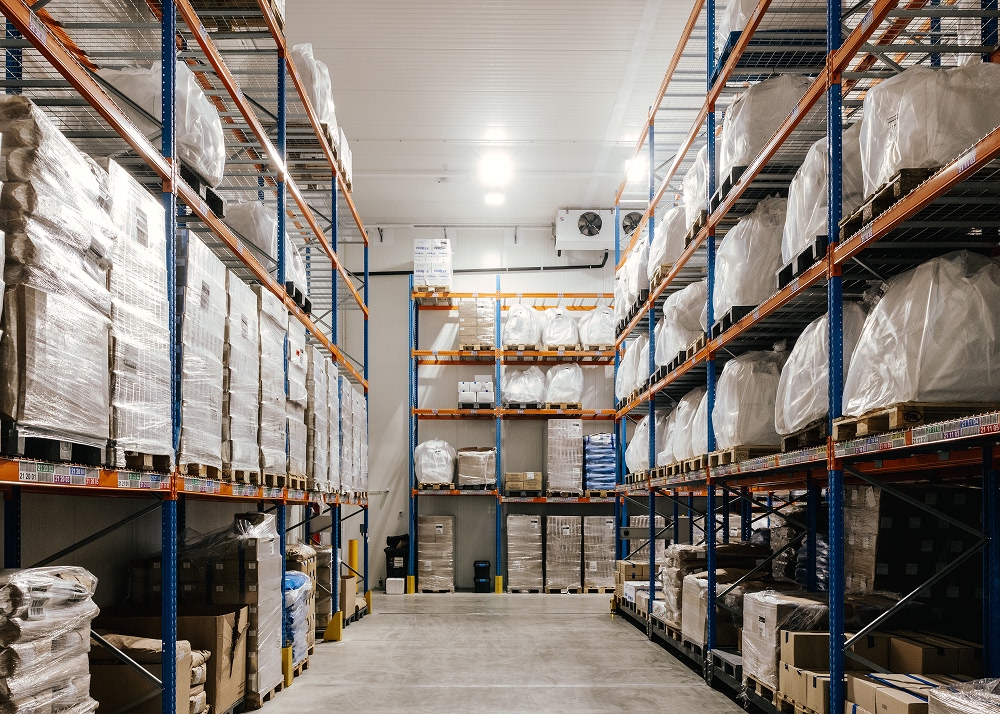
Read more: Enhancing logistics for greater efficiencyTo reduce our ecological footprint and meet growing European demand, we’ve adopted a decentralized warehousing strategy that shifts bulk shipments to central and distributor-managed warehouses closer to key markets.