

Our responsibility
Produced in Tromsø. Proven in the Arctic.
Our meals are made to be enjoyed in nature. So we take protecting it as seriously as we take making them.
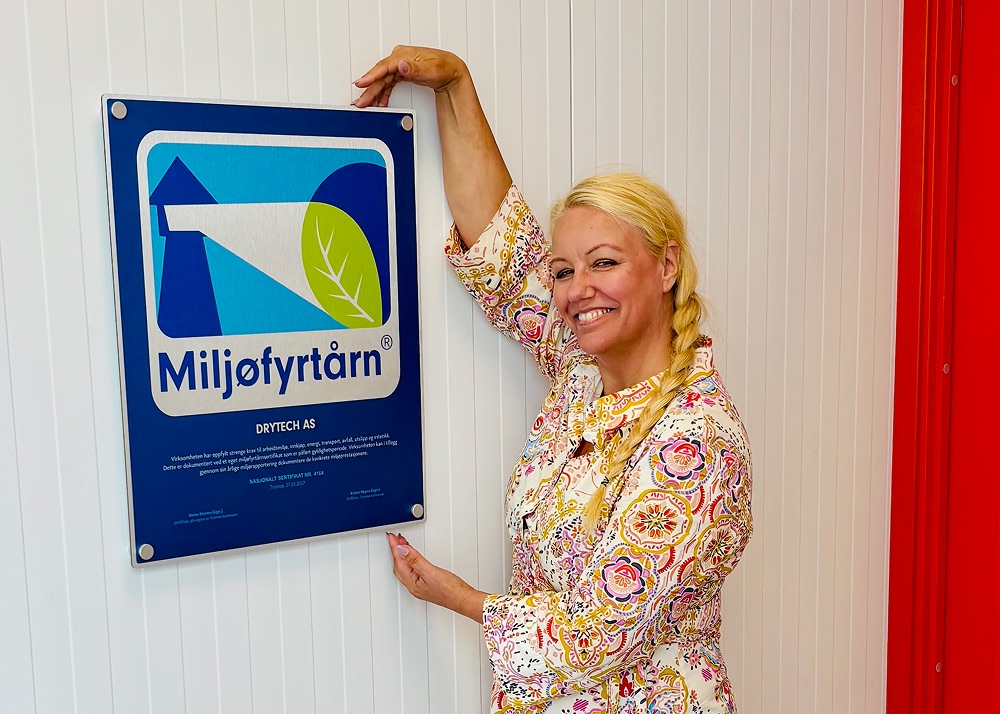
We run on 100% renewable power, we’ve halved food waste per product, and been Miljøfyrtårn certified since 2011.
Responsibility
Our focus areas
Six areas, concrete 2030 targets and where we stand today.
Human & Society
Safety, nutrition, and inclusion in every pouch and in the workplace.
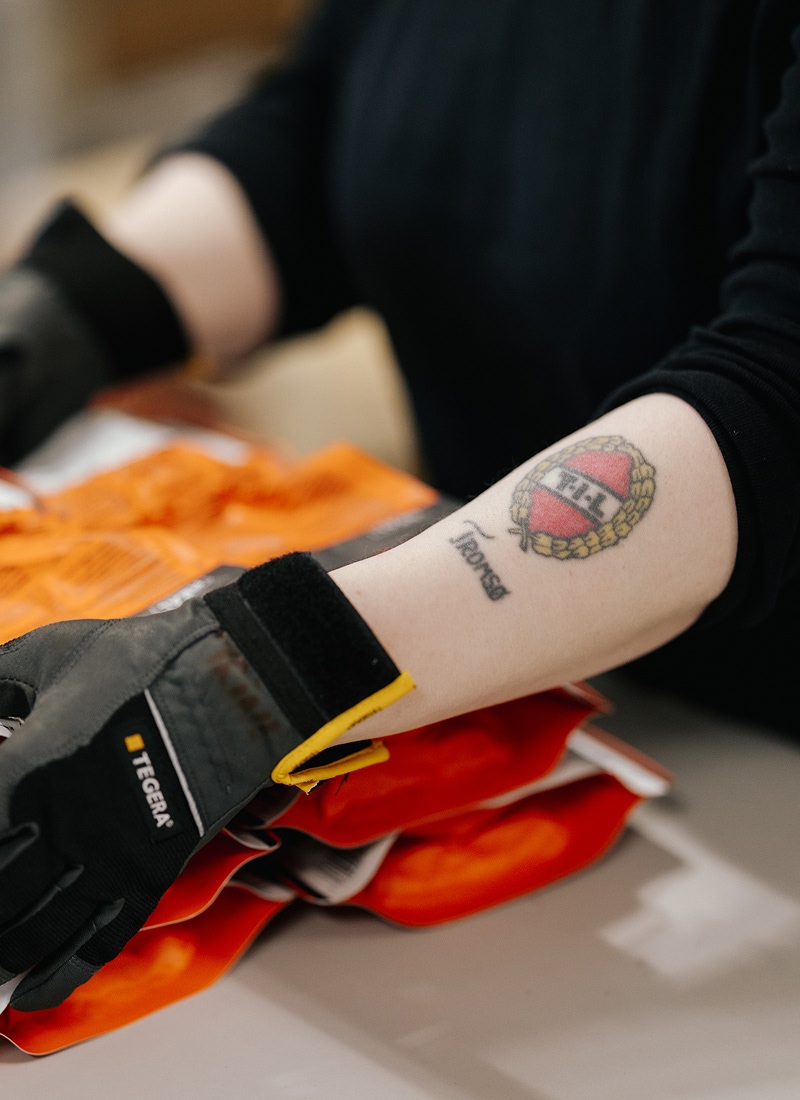
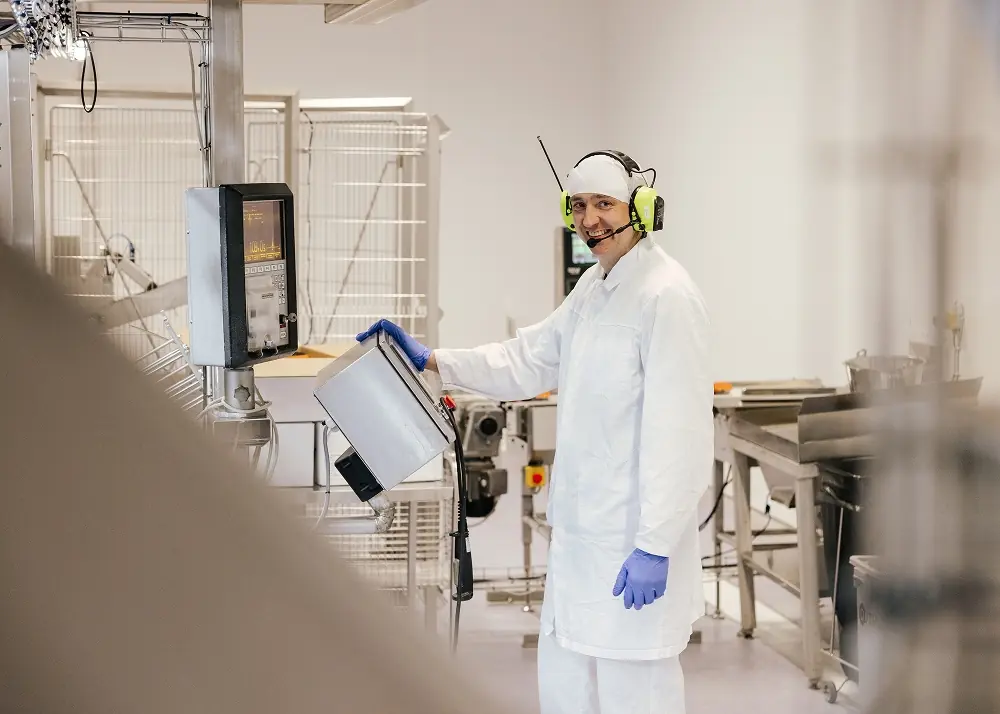
We take responsibility both for what we make and for the people who make it, with a focus on good nutrition and an inclusive workplace. Half of our meals are plant- or fish-based — better for both people and the climate.
Target 2030: Half of meals plant- or fish-based.
Tackling food waste
Less waste at every step from raw-material to finished pouch.
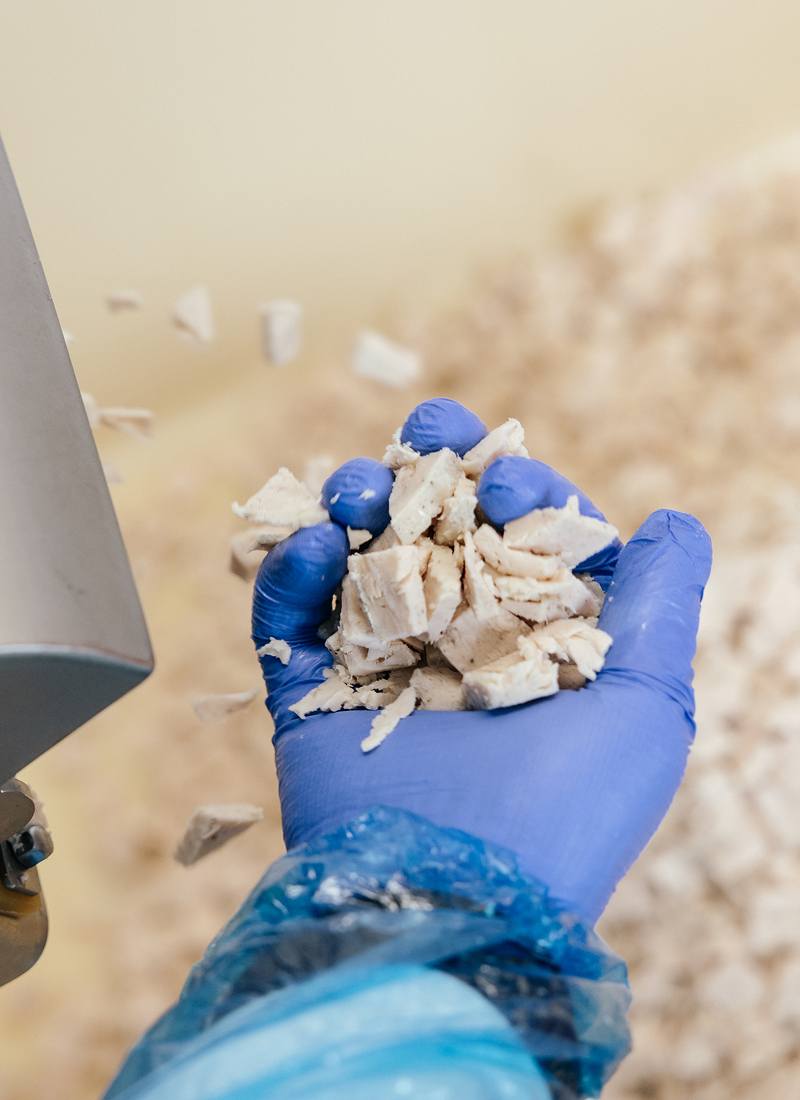
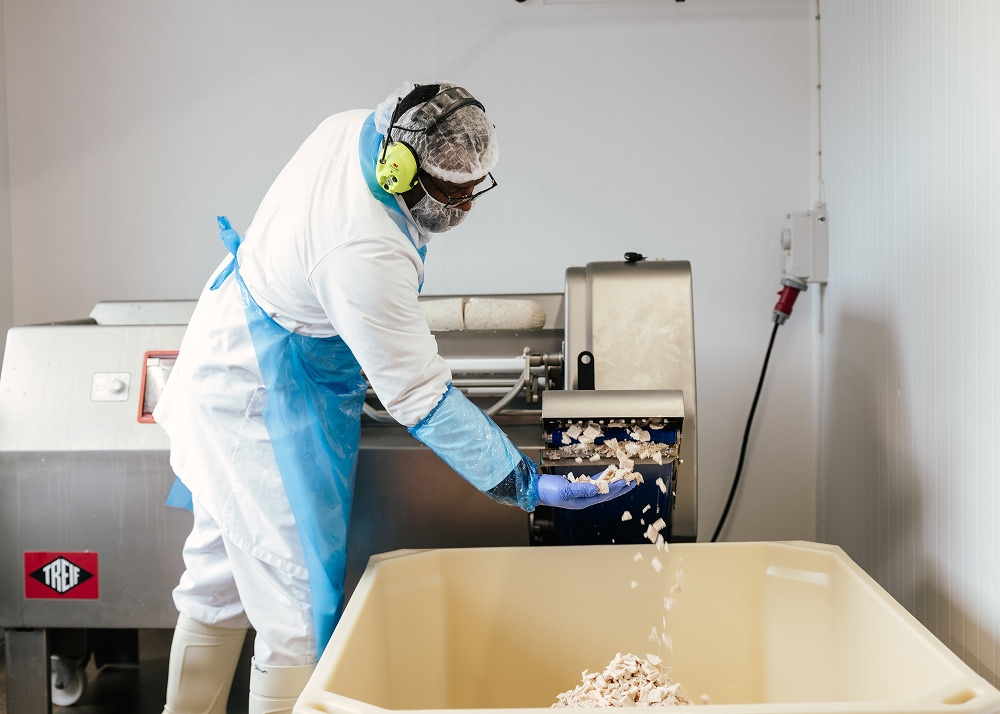
We mapped the whole operation in 2020 and found where waste actually starts: raw-material storage, damaged products, and production loss. Since then we’ve tightened our routines and redirected surplus food to those who need it, rather than discarding it.
2030 target: 55% less food waste.
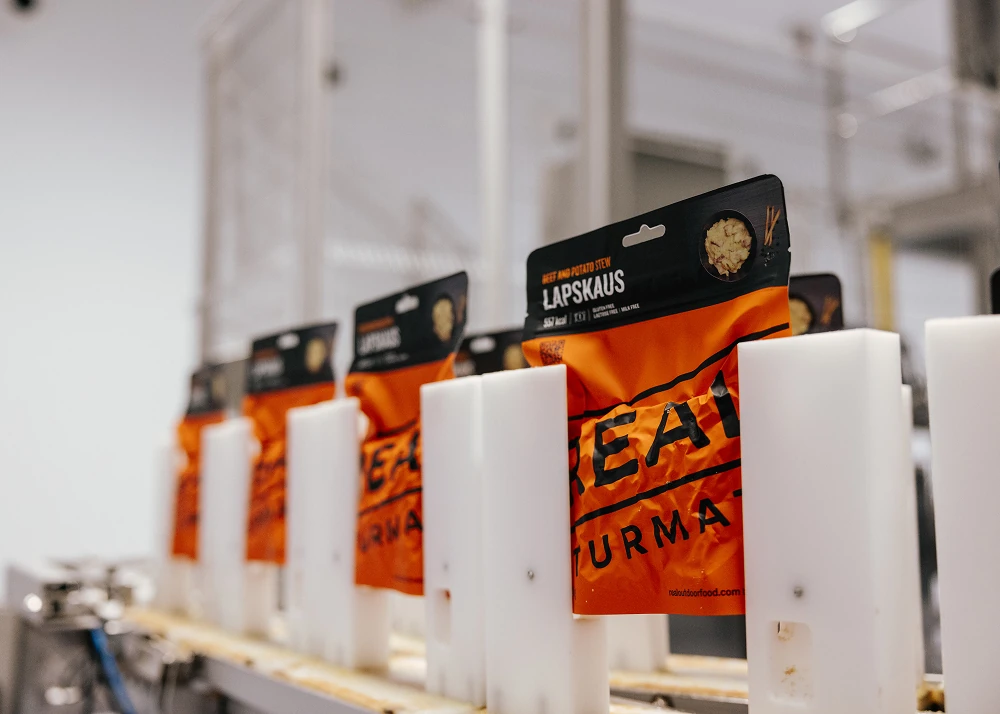
So far: Food waste pr product halved. Reject pouches down 91%.
Choosing sustainable materials
Less packaging, more that can be recycled.
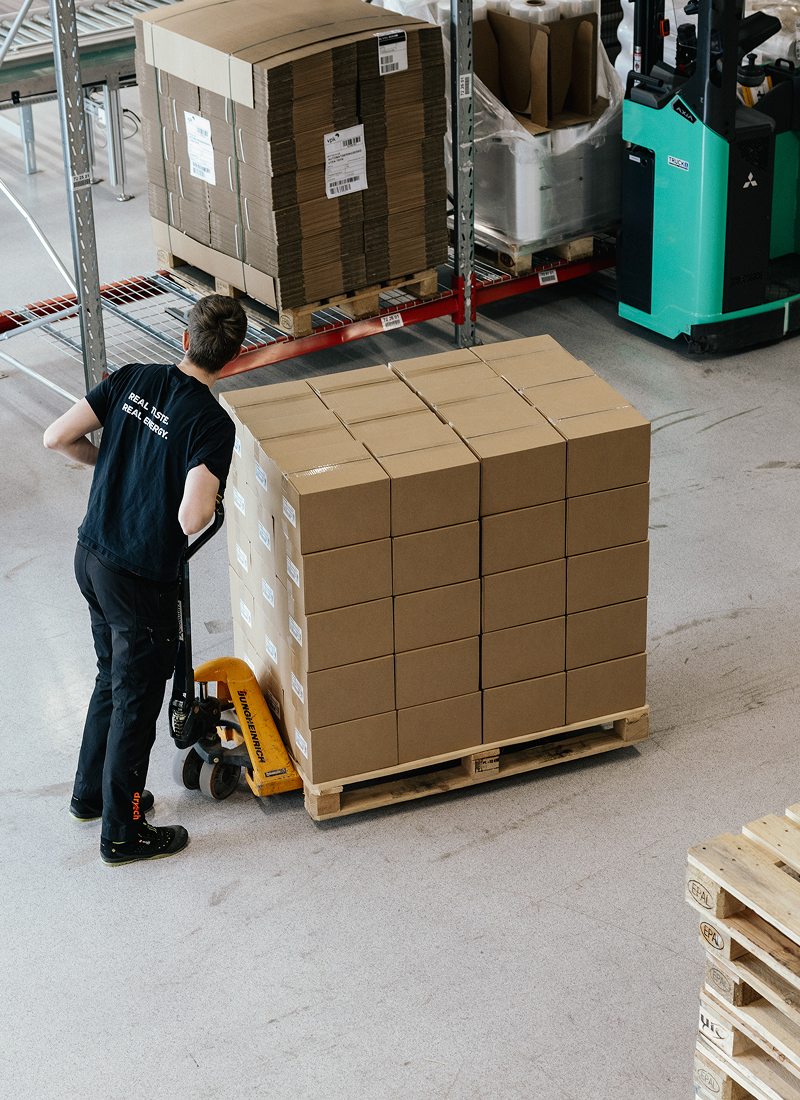
All our measures to reduce residual waste and increase material recycling are aligned with the requirements and objectives of the EU’s new packaging regulation, which will be gradually introduced in the coming years. The regulation sets stricter requirements for waste prevention, recyclability, and resource utilization throughout the entire life cycle of packaging.
2030 target: 85% of all materials used in our own production process will be recyclable and returned to the circular economy. In addition, 95% of the packaging we place on the market will be recyclable.
So far: Our current consumer packaging is not recyclable.
Reducing Energy consumption
As an Arctic producer, we build on renewable power and use less of it.
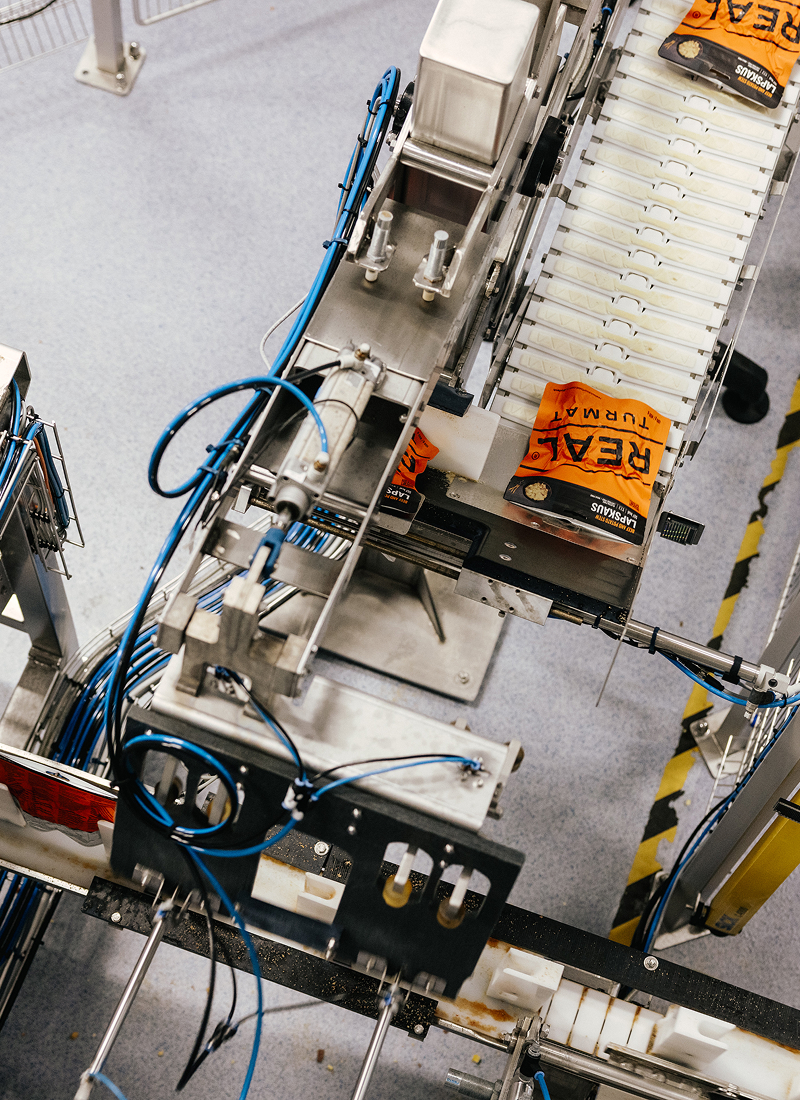
Our power is renewable, and we recover surplus heat from production to warm water and facilities. Over time, targeted investments have cut consumption in both buildings and processes.
2030 target: 40% lower energy use.
So far: 100% renewable power. Energy per unit down 50%.
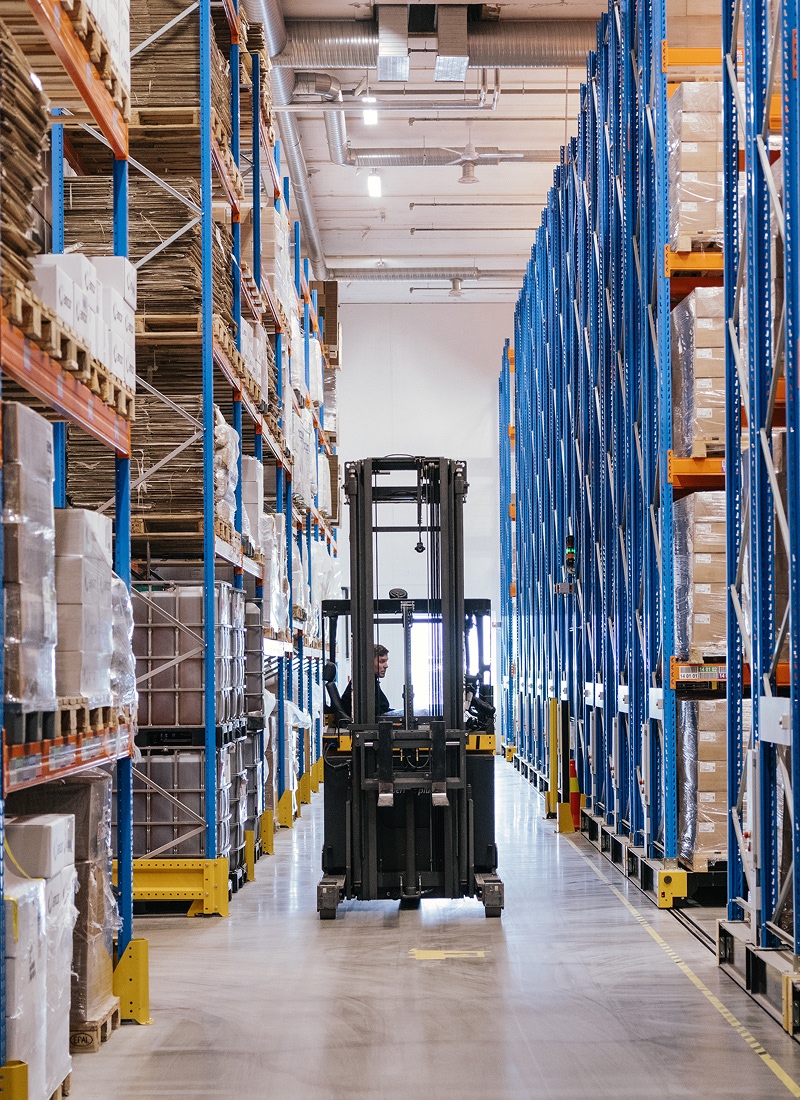
Sustainable supply chain
We know where our goods come from and we set requirements at every step.
As part of our work under the Norwegian Transparency Act, we carry out due diligence assessments of our suppliers.
2030 target: 80% of our largest suppliers are environmentally certified.
So far: Member of the UN Global Compact since 2012.
Perfecting transport
Reduce emissions related to transport.
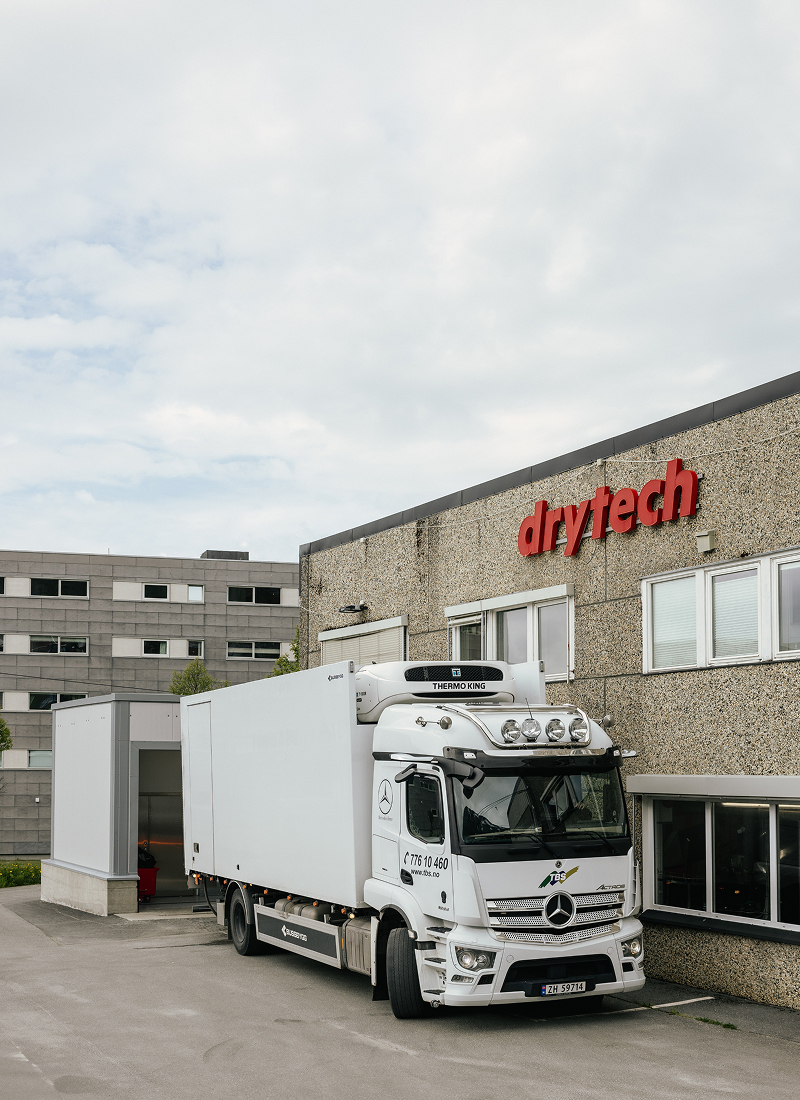
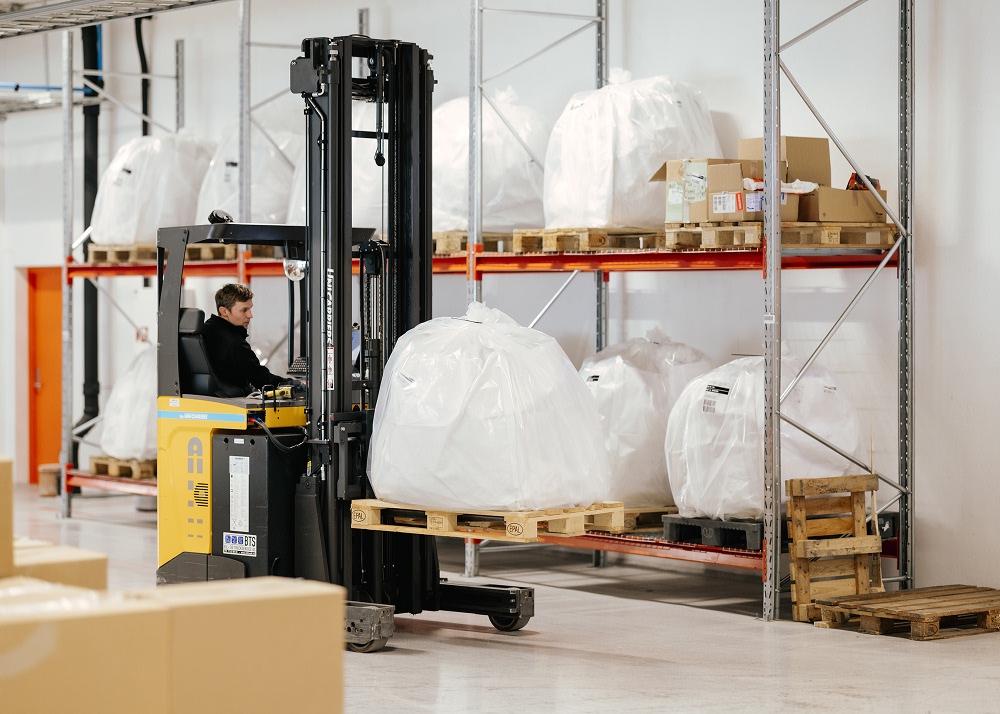
In recent years, we have worked systematically to map both inbound and outbound goods transport. As a company located far north, transport is a significant part of our environmental footprint, making the choice of transport partner especially important.
2030 target: Reduce transport-related emissions by choosing electric solutions.
So far: We are continuously increasing the share of electric heavy goods vehicles.
articles
Latest actions

Commitments
Our commitments
Our climate efforts are guided by recognized standards and disclosed through trusted third-party platforms. These commitments ensure our actions are measurable, verified, and aligned with global expectations.